
Animals, Plants & Natural History in General
Your Guide: Catherine Criolla
comment | bookmark
Although most people interested in biodiversity, plants and wildlife viewing will want to go to the jungle areas (which I don’t know well and am not writing about here) there is also a tremendous amount to see on the coast and in the Andean mountains of Peru and beyond. A one-stop book for the interested tourist is the Peru (The Traveller's Wildlife Guides)

Llamas, Alpacas (domesticated), guanacos and vicuñas (wild)
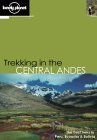
Llamas and sometimes alpacas, the domesticated members of the camel family that are native to Peru, can be seen and photographed all around the Cuzco area. There are often several around the parking lots at Sacsayhuayman — all dolled up so you can photograph them (for a dollar or five). You have to get a little farther off the beaten path to see them on farms or out in the pastures but you’ll likely see some on any trip through the sacred valley on your way to Machu Picchu. It’s rare to see a real llama train these days, as there are roads providing access to more and more of the small villages around the mountain regions, but small ones are still used to take goods to and from remote towns. You’ll most likely only see them if you go on long day hikes or backpacking into such towns. Check out Lonely Planet Trekking in the Central Andes

Other mammals (vizcacha, deer, Andean foxes, etc.)
- Watch for the funny looking vizcacha, a member of the chinchilla family, in the highlands (it looks a little like a cross between a bunny and squirrel) – check out a photo. You might even catch a glimpse on one at Machu Picchu or other around other archaeological ruins.
- Deer — Andean deer (the mazama or brocket variety) are small, shy deer that are sometimes seen in remote locations, especially towards the end of the day. Keep your eyes peeled at wildlife sanctuaries, parks and on treks and maybe you’ll get lucky.
- Andean fox — I’ve only seen one, so you’ll have to get pretty lucky, but they do live everywhere.
- Sea mammals — sea lions (lobos del mar) abound at the Islas Ballestas and other coastal islands and preserves.
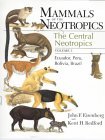
If you’re really interested in the mammals of the Central Andes, get ahold of Mammals of the Neotropics (Volume 3 ): The Central Neotropics: Ecuador, Peru, Bolivia, Brazil
Birds
- General: Peruvian travel chamber of commerce website bird watching pages includes a birds of Peru photo gallery
- Andean Condor — the thrill of seeing an Andean Condor on a cold morning in the Colca Canyon is hard to beat. It’s one reason to spend the night there and to get up early and take some hot chocolate or coca tea and a snack to watch as the sun hits the side of the canyon.
- Coastal and ocean birds can be seen at quieter locations all along the coast (pelicans and seagulls and other more gregarious birds are everywhere) but to see a much wider range including penguins and boobies take a trip to the Islas Ballestas . The coastal wildlife preserves along the south coast are also well worth a visit.
- The giant hummingbird is something to see – catch sight of it while wandering the ruins of the Sacred Valley
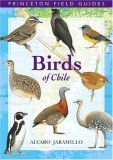
If you’re serious about birding, the references are Birds of South America: Non-Passerines: Rheas to Woodpeckers 

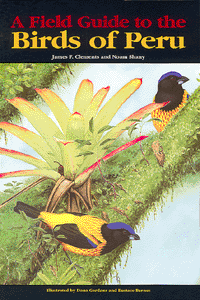
There is also a A Field Guide to the Birds of Peru

Plants/flora
- An extraordinary variety of orchids can be seen along the Inca Trail. You can actually see a lot on day hikes around Machu Picchu as well.
- Coastal stands of relict meadows that bloom only in the winter are known as lomas, and they are not to be believed. Near Lima (and virtually unknown to tourists) is an amazing park at the Lomas de Lachay. For most of the year, this park, in the low coastal hills north of Lima, looks like the typical Peruvian coastal desert, except that you can see some evidence of dead plants on the tan-brown hills. It looks as though someone had irrigated it sometime in the past. By August and September, however, it comes to life seemingly endless fields of wildflowers watered by the winter fog. This is one of the last remaining active stands of the lomas – stands of relict patches of seasonally fog-fed vegetation that were once much more extensive along the Peruvian coast.
Fossils and more
A starting point that almost no one will tell you about is the Natural History Museum at the San Marcos National University in Lima. The link above is to their website. Although it’s in Spanish you can click on the photos to see details of the collection and preparation of some of the items (large toothed whale, South American horse fossil, etc.) on display there. Although the museum is a little bit sad looking, you can see fossil and living Peruvian animals and plants on display there that you won’t see anywhere else. If you’re interested in the evolution of South American fauna check out Splendid Isolation: The Curious History of South American Mammals.

More weblinks
A list of places to visit for those interested in ecotourism/natural history can be found on the Peru national travel chamber of commerce website. Also see Duke University’s Park Watch site for Peru to get information on the parks and preserves as well as the threats to them.
Also, try the zoo in Lima (the only zoo I know of where you can visit both archaeological ruins and exotic animals in one place. It’s called Parque de las Leyendas (Park of the Legends) — the website is only in Spanish but it has pictures of animals, plants and archaeological features so it can be worth exploring even if you don’t read much Spanish.
Llamas — do you have a llama fetish? Then check out mountlehman llamas site.